"Does my neighbor have to pay for half the fence?" In most states the answer depends on a city ordinance or a handshake. In Louisiana, the Civil Code speaks to it directly.
Article 685: common fences
A fence on a boundary is presumed to be common, meaning it belongs to both neighbors, unless there's proof to the contrary. When adjoining lands are enclosed, a landowner may compel the neighbor to contribute to the expense of making and repairing common fences. For lands that aren't enclosed, cost-sharing is governed only by local ordinances.
Article 686: common ditches
A ditch between two properties is presumed common, and both owners are responsible for maintaining it. If a fence runs alongside a shared ditch, keep the ditch clear.
Article 687: trees on the line
Trees, bushes and plants on the boundary are presumed common. A neighbor may demand removal of ones that interfere with the use of their property, at their own cost.
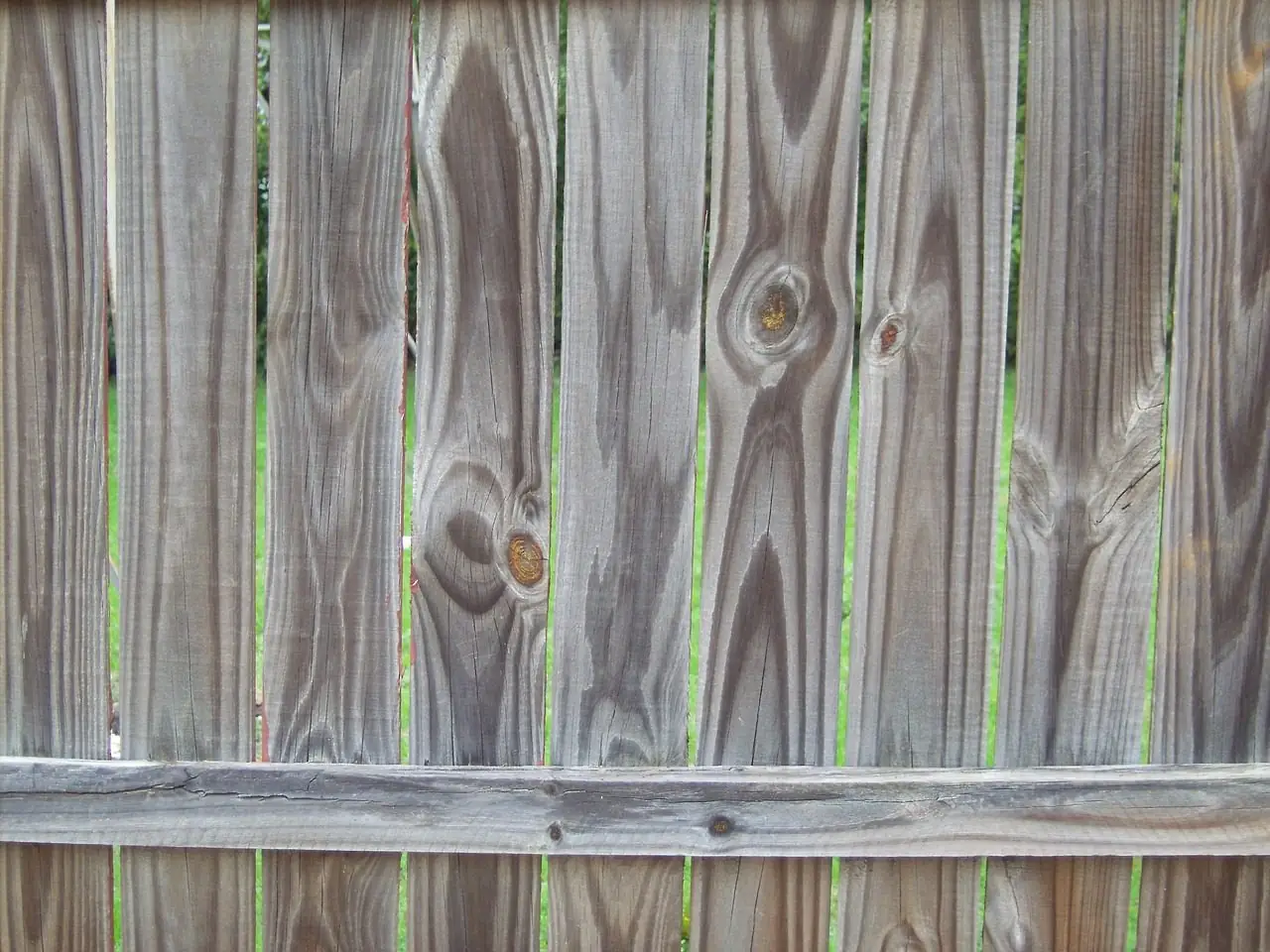
Putting it into practice
- Know where the line is. A survey avoids arguments later.
- Talk first. Agree on the material, height and how costs split, and put it in writing.
- Pick a two-sided design. Shadowbox or board-on-board looks finished on both sides.
- Plan repairs. Agree how storm damage gets handled before the first storm.
- Or build inside your line. A fence fully on your own land isn't on the boundary, and is yours alone.
This is general information, not legal advice. For a dispute, talk with a Louisiana attorney.
Sources
- Louisiana Civil Code Article 685: Common fences
- Louisiana Civil Code Article 686: Common ditches
- Louisiana Civil Code Article 687: Trees, bushes, and plants on the boundary
Checked November 10, 2026. Codes, statutes and prices change; see the linked source for the current text.